


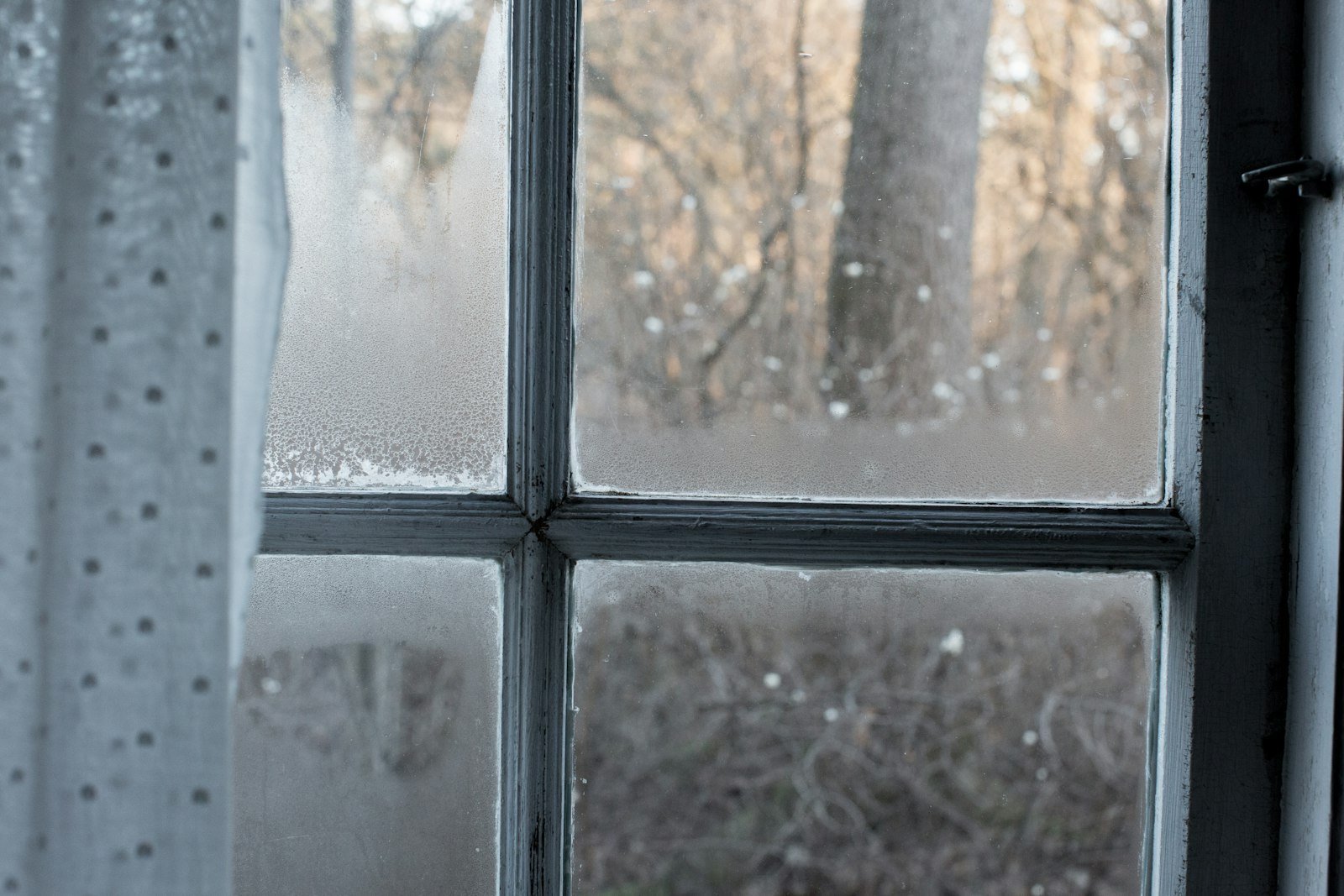
Knowing how to stop condensation on windows starts with one fact: the water on the glass came from inside your home. Cooking, showers, drying laundry and simply breathing put moisture into the air, and the window is the coldest surface it meets. Wiping it away every morning treats the symptom. Lowering the moisture, getting it out, and warming the glass treat the cause, and they also protect the walls behind your furniture from mould.
In short
| Question | Short answer |
|---|---|
| Why it forms | Moist indoor air meets glass colder than its dew point |
| Humidity to aim for | Roughly 40 to 60% relative humidity, checked with a cheap hygrometer |
| Quickest wins | Lids on pans, extractor fans on and left running, laundry dried outside or in a vented dryer |
| Ventilation | Trickle vents open, a short burst of fresh air each morning, doors closed on steamy rooms |
| Heating | Steady, moderate heat rather than a cold house warmed in short bursts |
| When it’s the window | Single glazing, failed double glazing, or mist between the panes |
Why water appears on the glass
Air holds water as an invisible vapour, and warm air holds more than cold air. When air touches a surface colder than its dew point, the temperature at which it can no longer hold all its moisture, the excess turns back into droplets.
You can estimate your own dew point. At 20 °C indoors:
| Indoor humidity | Dew point (approx.) |
|---|---|
| 50% | 9 °C |
| 60% | 12 °C |
| 70% | 14 °C |
Now the glass. The inner surface temperature of a pane depends on its U-value, how fast it lets heat through, in W/m²K. A simple estimate is: surface temperature = indoor temperature − U × 0.13 × (indoor − outdoor temperature). With 20 °C inside and 0 °C outside:
- Single glazing, U about 5.8: 20 − 5.8 × 0.13 × 20 = about 5 °C.
- Older double glazing, U about 2.8: 20 − 2.8 × 0.13 × 20 = about 13 °C.
- Modern double glazing, U about 1.4: 20 − 1.4 × 0.13 × 20 = about 16 °C.
So at 60% humidity, single glazing will stream with water on any cold night, older double glazing sits right on the edge, and modern double glazing usually stays clear except along the bottom edge, where the frame and spacer bar are colder. These U-values are typical figures; your windows’ own values may be on the installer’s paperwork.
Bring the humidity down
A hygrometer, a small digital humidity meter, costs little and turns guesswork into a number. Put it in the room with the worst windows and check it morning and evening for a week. If it regularly reads above 60%, the fixes below matter more than anything you do to the glass.
- Cook with lids on and use the cooker hood on its extract setting, vented outside if it can be.
- Run the bathroom extractor fan during and for a while after a shower, and keep the door shut so the steam goes out rather than into the house.
- Dry laundry outside when you can. Indoors, use one room with the door closed and the window ajar or a dehumidifier running. A tumble dryer must be vented outside or be a condenser or heat pump model with its water tank emptied.
- Don’t block air behind furniture: leave a gap of a few centimetres between wardrobes and cold outside walls.
- Run a dehumidifier in the worst room if the numbers stay high. It uses electricity: check its wattage, multiply by the hours it runs, and you have its consumption in kWh.
Let the moisture out
Moisture you can’t avoid producing has to leave the house. Trickle vents, the small slotted vents in the top of many window frames, are there for exactly that: keep them open in winter, including in bedrooms. Opening a window wide for five to ten minutes in the morning swaps the moist night air for drier outdoor air without cooling the walls much.
If the house has no working extract fans in the kitchen and bathroom, that is often the real cause, especially after new windows have made the house more airtight. Whole-house options such as a positive input ventilation unit in the loft exist, but fix the basics first.
Keep the glass and walls warmer
Cold surfaces attract condensation, so a house heated only in short bursts suffers more than one kept at a steady, moderate temperature. Rooms left unheated with the door open, such as a spare bedroom, collect moisture from the rest of the house. Heat them a little or keep their doors closed.
Curtains drawn tight over a window at night keep the glass colder and trap moist air against it. Leave a small gap, or open them first thing so the air can circulate.
If your windows are single glazed, secondary glazing or replacement double glazing will raise the glass temperature far more than any habit can. That decision belongs with the rest of the house: walls and loft insulation usually do more for comfort per pound spent.
When the problem is the window
- Mist between the two panes of double glazing means the seal has failed. Wiping won’t help; the sealed unit needs replacing, and often the frame can stay.
- Condensation on the outside of the glass on a cool morning is a good sign: it means the glazing insulates well enough that the outer pane stays cold.
- Mould on the frame or wall around the window needs cleaning with a suitable mould remover, and then the humidity has to come down or it will return.
If you rent
If you rent and damp or mould persists despite good habits, report it to your landlord in writing. In England, social landlords have had to investigate and fix damp and mould hazards within fixed timescales since 27 October 2025, under the rules known as Awaab’s Law. Private renters can contact their local council’s housing team if a landlord does not act.
More practical guides on insulation, ventilation and damp are in the Housing section.
