


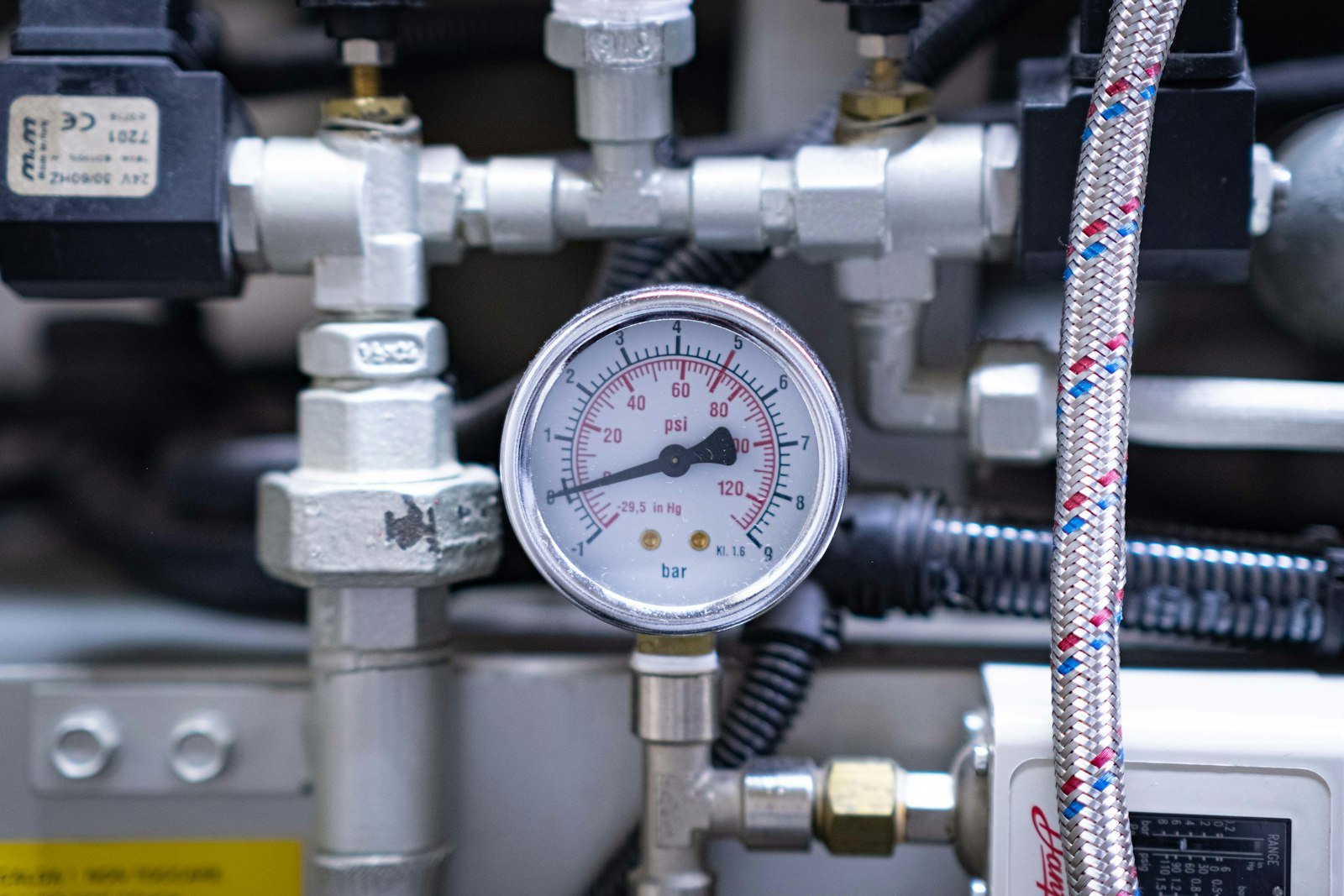
What is a combi boiler? It is a single wall-mounted unit that does two jobs: it heats the water in your radiators, and it heats tap water instantly as you use it. There is no hot water cylinder and no tanks in the loft. That saves space and avoids heating water you never use, but it also sets a limit on how much hot water you can draw at once, which is the point to check before choosing one.
In short
| Question | Short answer |
|---|---|
| What it is | A boiler that combines central heating and instant hot water in one unit |
| Hot water | Heated on demand from the cold mains, no cylinder, no stored hot water |
| Main limit | Flow rate: one shower runs well, two outlets at once usually do not |
| Who it suits | Smaller homes with one bathroom and good mains water pressure |
| Alternatives | A system boiler with a cylinder, or a regular boiler with loft tanks and a cylinder |
| Servicing | Yearly service recommended; any work on a gas boiler needs a Gas Safe registered engineer |
How a combi boiler works
Inside, a burner heats water in a main heat exchanger. What happens next depends on demand:
- When the heating is on, the pump sends that hot water round the radiators and back, in a sealed circuit under pressure, shown in bar on the boiler’s gauge.
- When you open a hot tap, a diverter valve switches the hot water to a second, smaller plate heat exchanger. Cold mains water flows through the other side of it and comes out hot. While you run the tap, the heating pauses.
Most combis sold today are condensing boilers: they recover extra heat from the water vapour in the flue gases, and run more efficiently when the water coming back from the radiators is cool. Turning down the flow temperature on the boiler, where the house stays comfortable, helps them condense more of the time.
Flow rate: the number that matters
A combi has to heat water as fast as it flows. Its hot water output is limited by its power, and you can estimate it yourself.
Heating one litre of water by one degree takes about 4.18 kJ. So the flow a boiler can heat is:
Flow (litres per minute) = power (kW) × 60 ÷ (4.18 × temperature rise in °C)
Take a 30 kW combi, cold mains water at 10 °C, and hot water wanted at 45 °C, a rise of 35 °C:
30 × 60 ÷ (4.18 × 35) = 1,800 ÷ 146 = about 12.3 litres per minute.
A mixer shower often uses 8 to 10 litres a minute; a bath tap can use more. One shower runs comfortably. Open a kitchen tap at the same time and both lose flow or temperature. In winter, when the mains water arrives colder, the same boiler delivers less.
Manufacturers quote this flow in their specifications, usually at a 35 °C rise, so you can compare models on the same basis. The boiler can only deliver what the mains supplies, too: a combi does not boost poor water pressure.
Combi, system or regular boiler
| Type | Hot water | What else is needed | Suits |
|---|---|---|---|
| Combi | Instant, from the mains | Nothing: no cylinder, no tanks | One bathroom, limited space |
| System | Stored in a cylinder, at mains pressure | A hot water cylinder, usually in an airing cupboard | Two or more bathrooms used at the same time |
| Regular (heat only) | Stored in a cylinder, fed by gravity | A cylinder plus cold water and feed tanks in the loft | Older open-vented systems, low mains pressure |
A cylinder holds a stock of hot water, so several taps can run together until it is used up; it then takes time to reheat. A combi never runs out, but serves one outlet at a time well.
Advantages and limits
Advantages
- Compact: frees the airing cupboard and the loft.
- No heat lost from a stored cylinder of hot water.
- Hot water at mains pressure, without a separate pump.
- Usually simpler and quicker to install in a small home.
Limits
- Weak with simultaneous demand, as calculated above.
- A short wait for hot water to reach the tap, especially far from the boiler.
- If the boiler breaks down, you lose both heating and hot water.
- No cylinder means no immersion heater as a backup, and no easy way to store hot water heated by solar panels.
Thinking ahead: heat pumps
A combi works without a cylinder; most air source heat pumps need one. If you might move to a heat pump later, removing an existing cylinder now to fit a combi means finding the space again later. It is worth weighing before you decide. See how a heat pump works.
Pressure, servicing and safety
On the sealed heating side, the pressure gauge should sit in the range given in the manual, often around 1 to 1.5 bar when cold. If it drops, the boiler may lock out; topping it up through the filling loop is covered in how to bleed a radiator. Pressure that keeps falling points to a leak.
A yearly service keeps the burner, the flue and the condensate pipe in order. On a gas boiler, any work inside the casing, and any installation, must by law be done by a Gas Safe registered engineer. Fit a carbon monoxide alarm in the room with the boiler if there is not one already.
More guides to heating and hot water are in the Energy section.
